

2024/2025 Committee Members

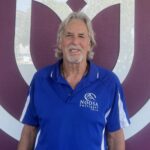
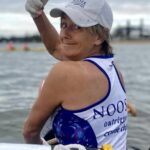
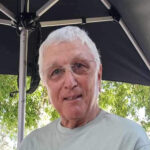

Committee Members

Chae Parker
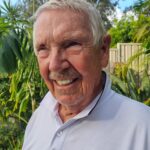
Brian Rogers
Nicola Cameron
[/single_tab][single_tab title=”Meeting Minutes” tab_id=”1668927015165-7″]
NOCC Committee Meeting Minutes and Reports
April 2025
March 2025
February 2025
Please note in minutes:
Mike did a budget for us until september and it is clear (as you can see in his reports) that we are not recovering costs on our towing fees to regattas. The committee voted to make the towing fee $15 again to recover some of the costs and even then it looks like we will not break even. Only 3 races to go.
January 2025
November 2024
October 2024
September 2024
August 2024
July 2024
June 2024
May 2024
April 2024
March 2024
February 2024
January 2024
December 2023
Important Club Contacts
Head Coach and Men’s 5am Coach
Paul Squire
Ph: 0428 551 110
Recreational Paddlers’ Contacts
Tuesdays
Paul Redfern
Ph: 0402 350 135
Thursdays
Doug Hay
Ph: 0412 507 283
doug.s.hay@gmail.com
Sundays
Shane Beilken
Ph: 0417 009 480
[/single_tab][single_tab title=”AGM” tab_id=”1668927096510-2-0″]
Forms
Committee Role Descriptions
AGM Information and Reports
October 2024
September 2023
September 2022
September 2021
[/single_tab][single_tab title=”EGM” tab_id=”1673250539939-8-8″]
Forms
EGM Minutes
Vote for purchase of additional Matahina canoe
Club Documents
version 5th Feb 2022
NOOSA OUTRIGGER CANOE CLUB
REGATTA MANUAL
CONTENTS
Introduction
1. Phase 1 – Initiation
2. Phase 2 – Permits and Submissions
2.1 Permits and Submissions
2.2 Draft Programme
2.3 Timeline
3. Phase 3 – Preparations
3.1 Administration
3.2 Advertising/Sponsorship/Marketing
3.3 Buoy acquisition
3.4 Catering
3.5 Canoe allocation
3.6 Caps (wave starts only)
3.7 Covid management
3.8 First Aid
3.9 Maps (land)
3.10 Maps (race courses)
3.11 Medals (for juniors and novices)
3.12 Multimedia
3.13 Notification to businesses in affected locale
3.14 Parking and Traffic
3.15 Race Organisation
3.16 Raffles
3.17 Registration
3.18 Support boats and Crews and
3.19 Tents and Equipment (Coolroom, generator, PA, Fuel, etc)
3.20 Venue
3.21 Waste/Rubbish/Toilets
3.22 Post race party
3.23 Prize Giving
4. Phase 4 – Pre-race Organisation
4.1 Administration
4.2 Advertising/Sponsorship/Marketing
4.3 Buoys
4.4 Catering
4.5 Canoe allocation
4.6 Caps (wave starts only)
4.7 Covid management
4.8 First Aid
4.9 Maps (land)
4.10 Maps (race courses)
4.11 Medals (for juniors and novices)
4.12 Multimedia
4.13 Notification to businesses in affected locale
4.14 Parking and Traffic
4.15 Race Organisation
4.16 Raffles
4.17 Registration
4.18 Support boats, crews and fuel
4.19 Tents, Cool Room, Generator, PA and fuel
4.20 Venue
4.21 Waste/Rubbish/Toilets
4.22 Post Race Party
4.23 Prize Giving
5. Phase 5 – Race Day
6. Phase 6 – Debriefing
7. Phase 7 – Accounts
Appendices
1. Event Coordinator’s proforma
2. Noosa Council Temporary Event Application
3a, 3b,3c. MSQ forms
4. Certificate of Currency
5. Completed Noosa Council Permit form
6. Draft land venue
7.
8. Buoys and depth Soundings
9. Catering
10. Waiver form for canoe hire
11. Canoe Allocation Spreadsheet
12. Covid arrangements for racers
12a Covid Event safety plan.
13a, 13b, 13c . Land venue and signs (River Race)
14a, 14b, 14c . Land venue (Laguna Bay Race)
15a, 15b, 15c, 15d . Race courses
16. Medals
17. Notices to affected businesses and residents
18. Traffic management
19. Race Director’s Checklist
20a, 20b, 20c,20d. Copies of previous race programmes
21. Typical Race completion times
23. Race briefing (for river race)
24. Start and finish procedure
25. MC briefing notes
26a support boat roster
26b. Briefing for boat drivers and crew.
Introduction
Whilst NOCC is well-practised at running outrigger canoe races, competitive ocean and river races and are well-respected in running good races and fun events, insufficient written information has been retained from the earlier years with the risk that precious information can be easily lost.
To try to remedy this oversight this manual has been prepared so that all previous experiences can be built on, so that future races are run with a minimum of “reinventing the wheel”, and as a consequence can be run reasonably seamlessly. Perhaps in the not too distant future Noosa can host a “National Title” or even offer an international race – we have the people – do we have the drive and commitment?
The intention of the manual is that any of the members can pick up the manual and by following the advice run a good regatta.
1. Phase 1 – Initiation
1.1 On an annual basis, South Queensland Zone will propose a series of races (or maybe two if OC1/OC2/V1 are separated) to be contested, followed by Nationals.
The Noosa River Race is in addition to any of these races and its running is dependent upon gaps in the racing calendar (viz November 2021, due to National Sprint cancellation).
1.2 Once the dates are announced, clubs are then invited to offer to host the events. This has proved difficult for Noosa OCC to host since Noosa Council places significant restriction on when they would allow an outrigger race to be held due to competing sports events (triathlon, surfing, half-marathon, surfboats etc), weddings and on-shore festivals, e.g. food and wine. In addition we cannot run events during school holidays. This issue has already been raised with the South Queensland Zone to the effect that for ocean racing Noosa would like to host in mid-May every year. (If it appears that Noosa are taking more than their fair share and NOCC is not awarded an event in any particular year, the date will be released back to Council). However, we do have a standby agreement with Council to have this time allocated to NOCC every year.
2. Phase 2 – Permits and Submissions
The Event Coordinator has produced a proforma to enable easy reference to the required items and deadlines for completion. This can be found in Appendix 1.
2.1 Once there is an agreement for NOCC to host the event, then (and possibly before) NOCC swings into action. Permits will need to be obtained from:
a) Noosa Council and
b) MSQ (Marine Safety Queensland)
c) Certificate of Currency from the insurance company
d) Not a submission but in the case of a river race the Commodore of the Noosa Yacht and Rowing Club should be informed.
These administration tasks were previously carried out by past Secretaries of the club but more recently has been taken over by the Event Coordinator. Either is acceptable depending on the circumstances.
Copies of application forms can be found in appendix 2 for Temporary Event Application & appendix 3a, 3b and 3c for Marine Safety information together with the Certificate of Currency (appendix 4)
These forms can appear at first sight rather onerous to complete but with the arrangements we have made in the past, a few minor alterations to completed forms may be all that is required (Appendix 5)
2.2 At this stage a draft programme (example of draft land venue can be found in appendix 6) will also need to be submitted and needs to be generally accurate with respect to land venue. However, minor changes shouldn’t create any particular problem. Programme details are the responsibility of the Race Director who would need to factor in the requirements of the South Queensland Zone of AOCRA, in as much as they may wish to run OC6s, OC1s, OC2s and V1s and junior events together with the required race distances which often increase throughout the season.
The Race Director should be very familiar with the latest AOCRA’s “Regatta and Training Rules” which can be found on the AOCRA home page.
2.3 To assist in the development of the event a timeline (appendix 7) should be prepared to ensure all jobs are completed promptly, and that all Authority Approvals are obtained. Again this, usually, has been the role of the Event Coordinator.
3. Phase 3 – Preparation
We can never start preparations too early. The earlier we start, the better our race will become and the less stress we will be under. At this stage the Event Coordinator with the Race Director will identify individuals who are willing and able to become team leaders for the following (in alphabetical order):
3.1 Administration (Event Coordinator)
The majority of this is to be completed as far out from the regatta as possible and as soon as NOCC are aware that their application to host is likely to be accepted.
As previously mentioned, administration will include:
a) Permit application from Noosa Council – contacts are Jill Ikers and Julie Duncan on 5239 6306
b) MSQ (Marine Safety Queensland) Permit
c) Certificate of Currency from the insurer making sure that those parties involved in running and permitting the event are named. The NOCC Treasurer should have a copy or can get one.
d) Contact with the Commodore of the Yacht club in event of a River Race.
e) Contact with Coast Guard and Noosa and Sunshine Beach Surf Life Saving Clubs in event of an Ocean race and to determine arrangements for general assistance and help in cases of emergency.
3.2 Advertising/Sponsorship/Marketing
The primary goal, here, is to secure prizes for the “Lucky Door Prize Draw” used to help promote the Regatta and entice participant registration. At a minimum six (6) weeks prior to the regatta personally approach accommodation Houses to generously provide one or two nights complimentary accommodation to be taken at a date convenient to both parties. Once an offer has been made obtain the appropriate voucher supporting the offer. The target pool of accommodation facilities is not large and is mainly confined to resort type establishments.
Immediately upon receiving a commitment from a sponsor or sponsors, suitable logo artwork should be obtained. If any prizes or offers are made, this information plus logos need to be Inserted into the Regatta Notice to AOCRA and Clubs. A dedicated event web page under the NOCC website should be created ensuring logos are uploaded to the dedicated event web page, under heading ‘Supporters’ (there is a separate Supporters web page on the NOCC website).
Add the same logos to the Supporters web page and ensure they remain there for up to 2 months after the regatta. (Web designer can set an alert for their removal).Insert sponsor logos in any letter drops to businesses and residents in the area. Write a letter of appreciation and invitation to the sponsor(s) to attend the event.
3.3 Buoy Acquisition
NOCC retains good relations with “Ironman Australia” who are conveniently located at 24 Lionel Donovan Drive, Noosaville (contact is Brian Clancey, 0414 966 204 ). Once race courses are prepared by the Race Director, an order needs to be placed for buoys (round ones for start line and lane markers and large inflatables used for turning marks), anchors with appropriate lengths of rope and chain, plus inflation blowers.
Peter Hoffenberg has plumbed the depths of Laguna Bay at usual turning points so reference to his data will help in selection of ropes and chains. (see appendix 8)
3.4 Catering
Equipment and other preparations at an early stage include:
- Book the cool room from Tewantin RSL
- Book two coffee vans
- Check catering bins are fully stocked and purchase non-perishable items
- Engage two other coordinators from paddling community to help
- All names and contact details of all food and business vendors need to be recorded
The Event Catering Committee needs to decide on the type and quantity of food and coffee requirements, but must be in line with Covid restrictions (whilst in place) and Council Guidelines Appendix 9a and 9b
Coffee vans must provide their business and operation details as per the conditions set by Noosa Council and approved before the event. They must provide their own sine wave generator for power. This information must be sent to the Event Coordinator upon request to forward with the required documentation for approval.
Organise payment method Square and designate one person to be in charge.
Estimate the number of attendees on race day. Final numbers are not known until a week before the race but an estimate is possible by checking attendance at the previous regatta of the season. (Of course not everyone buys food or drink.)
Requirements change due to weather & months e.g. in hot weather demand for cool drinks goes up, whereas in cold weather more hot food is in demand.
Prepare some preliminary food & drink choices, the menu, and list all the vendors and all contact numbers where appropriate.
Check on what arrangements need to be made to comply with the Queensland Government’s and Council’s Covid requirements.
3.5 Canoe Allocation
Many clubs with smaller numbers often ask if NOCC can hire out a canoe to enable their team or teams to compete in our event. If we have canoes we do offer, but first our own crews need to be accommodated. The fee tends to vary depending on the benevolence of the current President. Importantly, each club needs to complete a waiver form (appendix 10) and lodge a $350 deposit with our Treasurer, which is returned when the canoe is returned with no damage.
There are specific guidelines for hire in our website documentation that we should follow –
Hire fees for canoes for big races or where they need to be towed will need to be assessed on a regatta basis.
The canoe allocator will prepare a spreadsheet appendix 11) in the lead up to the event and a final enlarged document will be posted and stuck at the registration booth so that there is no confusion about who has what canoe and when.
Importantly, racing canoes will need to be prepared, and the maintenance team informed which ones are to be used, so that:
a) If in Chaplin Park they can be set out in chevron style to save space.
b) If at Laguna Bay parties of paddlers are to paddle canoes to Main Beach and leave them there the night prior to the race.
Consideration will need to be given whether overnight security is provided.
3.6 Caps
One innovation in the River Race 2021 was the introduction of coloured caps (each wave to have same colour) to enable the officials, support boat drivers and steerers to confirm if all canoes were starting in the correct wave. This was particularly successful and a development much appreciated by all, especially the steerers, who got a free cap. An approximate assessment will need to be made (by reference to Webscorer start sheets) so the appropriate number of caps can be ordered. Also, an estimate of the number of different colours will be required.
3.7 Covid-19 Management
Queensland requirements for Covid-19 safe events are a “moving feast” and it is essential that the Covid-19 team leader checks with AOCRA and Queensland Health for the most up to date requirements:
https://www.covid19.qld.gov.au/government-actions/covid-safe-events
The Covid-19 team leader must ensure the regatta is Covid safe as shown by the club’s Statement of Compliance. The Statement of Compliance must be made available at the registration tent. The Statement of Compliance should advise the regatta complies with QLD’s Aquatic Group Approved Industry Plan.
All social media and the regatta’s programme should advise the regatta is a Covid Safe Event and the programme should also specify the following information:.
“Please, Do NOT enter or attend the regatta if you have:
A fever, cough, sore throat, runny nose, headache, or shortness of breath/respiratory issues.
Or in the last 14 days have:
· Travelled overseas
· Been in or near a declared hotspot
· Been in quarantine
· Been in contact with suspected or confirmed case/s of Covid-19
· Or are awaiting results to Covid-19 tests.”
The programme should also advise that non-paddlers should sign in using the QR codes available at access points to the regatta or at the registration tent. Non-paddlers without phones will need to sign in at their club tent and remain in the club’s bubble.
It is essential in messaging to indicate that everyone is responsible for Covid Safety at our regattas. Please maintain social distancing (unless you are from the same household), and sanitise your hands frequently. See appendix 12.for Covid arrangements for races and appendix 12a for advice on the preparation of a Covid Plan
3.8 First Aid
Due to the popularity of First Aid services, they should be contacted as early as possible to ensure we have cover. Our regular first aid tent is run by First Aid Sunshine Coast First Aid Volunteers, Nakita 0482 593643.
As an aside, in the event that the Coastguard picks up a person in distress in the ocean, the standing arrangement would be for the Coastguard to take that person back to their compound at Munna Point where they could have an ambulance waiting . In such a situation the Race Director would be informed and the individual’s family, friend or crew member would be called and escorted by car to the Coastguard asap.
Some consideration may also be required to determine a procedure whereby next of kin are informed of an incident and support provided.
3.9 Maps (Land)
This is a critical component of the race programme and submission to Council. It needs to be quite detailed and easily understood so that drivers, trailer drivers and visitors have a clear understanding about where and when they can park and/or assemble.
Supporting stalls such as chiropractors, masseurs/masseuses, and equipment vendors such as Paddle Shop, KRT, and others can be provided with space as long as they inform Noosa OCC in good time and we have space for them. Random food outlets need approval by the Event Coordinator to ensure they meet Council requirements.
Examples of land maps for the River Regatta are shown in appendix 13a, 13b, and 13c and the equivalent map for a Laguna Bay race in appendix 14a and appendix 14b.
In particular, alternative plans are necessary as the major parking at both venues can be affected by rain, causing the ground to become boggy and unusable for parking.(Appendix 14c)

3.10 Maps (race courses)
Again these are an integral component of submissions to South Queensland Zone (as part of the overall programme) and to Marine Safety Queensland. The actual maps (charts) will depend on a host of factors including:
a) It is an ocean or river race?
b) What race lengths are imposed on NOCC (by SQZ if part of a race series where each race gets longer through the season leading up to the Nationals)
c) Options for alternative race courses e.g. ocean courses can be adjusted so that, should conditions become potentially dangerous past Noosa Heads, a calmer alternative can be plotted in the bay. Also, should winds be northerly, a change could offer a more enjoyable course for a downwind home stretch. In the event of a dangerous beach surf break an alternative river race should be our Plan B. examples of races courses can be seen in appendices 15a, 15b, 15c,15d and 15e.
d) Last minute changes due to, for example in a River Race, when we clash with a Yacht Club race.
e) Minnows, U12 and U14 race course which can be plotted in Noosa Sound to offer protected conditions for the younger paddlers..


3.11 Medals
Medals are generally provided for juniors and novices. AOCRA has supplies of medals but there is no reason and it is probably preferable for NOCC to source its own medals to reflect our own race rather than having general medals. Currently Flea has good contacts for these. The greatest difficulty in medal provisions is matching up the number required and having them ready on time. For details see appendix 16.
3.12 Multimedia
All publicised media (text/images, video) should be published on the NOCC website as NEWS article(s).
Where social media is used, posts should point to the relevant web page or post on NOCC website (this enables constant editing to take place as things change and the website stays the original and most up to date source of information).
Advertising should be placed in the local Papers/Media as this is a Council Requirement.
3.13 Notification to Businesses in Affected Locale
To inform local businesses and hopefully encourage their support, it is important for NOCC to officially inform the businesses (including the Yacht Club, Noosa Ferry, Catalina and other boat and cruise companies) that may be affected by the upcoming regatta.
For the River Race this is particularly important for those businesses that operate water-based activities so hirers of equipment can be advised about the races and volume of traffic on the river.
3.13.1 Notices and Flyers
River Regattas
Notices, or flyers providing advance notice of the river race should be distributed to
:a) Businesses (appendix 17)
All river-side based businesses, particularly watercraft hire businesses along the full length of Gympie Terrace, waterside, from Weyba Road up to and including the Mill Street Slipway and then including all watercraft hire businesses located at Noosa Marina.
Note: The flyers for some businesses such as Noosa Ferries, the Yacht Club and the Slipway for example will require language specific to their particular type of operation.
b) Residents (appendix 17)
A separate flyer designed to advise all residents of the river race particularly in the area around Mill Street as well as along to Hilton Esplanade. This flyer should alert residents to parking restrictions and the probability of long trailers turning into and out of Mill Street.
A separate flyer with situation specific language should be distributed to on-water residents in the area of the race course, house boats for example. The Slipway will assist with distribution of flyers to on-water residents.
Ocean regattas
For the Laguna Bay Race, obviously the Surf School (Merricks?) and the surfboard mobile hire business that sets up on Main Beach by our HQ need to be informed as well as businesses along Hastings Street. Unless NOCC has struck commercial partnership with Hastings Street business through Tourism Noosa or Hastings Street Business Assoc., for catering/accommodation for example, no business or residents flyers are necessary for ocean regattas, in the normal course of events. The Club would normally liaise with Noosa Surf Club when organising ocean regattas.
3.13.2 Traffic Signs
Examples of both river and ocean regatta traffic and parking signage and location maps are attached in appendix 18.
The precise location and style of signage required for NOCC regattas will vary from time to time depending on the dictates of circumstances surrounding the operation of the event. For example, in the case of a river regatta, if trailer parking adjacent to Chaplin Park is not possible due to rain, then additional signage will be required to direct trailers to Noosa Marina, for example, for unloading.
3.14 Parking and Traffic
A call out/email request is to be made (with past helpers especially requested) for volunteers to help with parking duties and their email addresses collated by the team leader of parking.
An estimate of number of volunteers needs to be made depending on the final site chosen and by reference to the land venue map and previous experience.
For the Laguna Bay Regatta where control of parking is critical, cars with passengers not involved in the regatta should not be permitted to enter the parking area.
As indicated previously, detailed parking maps will need to be prepared and contact made with the SES as they are required by Council to direct ‘road traffic’ on designated public roads.
If possible it would be good to hand out to every driver, car & trailer, a flyer that thanks them for supporting Noosa BUT advising that the park gates will be locked at 5pm. Drivers of all cars and trailers, staying for
dinner or overnight are to exit the park and park their vehicle out in the public parking areas other wise their vehicle could be locked in overnight. Chaplin Park may be available for trailers.
It is a condition of Council to hold a site inspection with the Council Parks Manager to get his approval of our car parking plan and layout and control measures.
Talking directly with the council parking chief would also be a good move. Tensions can arise if he thinks he hasn’t been included in discussions regarding the arrangements of parking in non-standard council parks.
3.15 Race Organisation
The Race Director’s checklist is found in appendix 19.
3.15.1 Race Programme
Race organisation and programme are fundamentally the responsibility of the Race Director who may wish to seek assistance from others. In particular, the design and layout of the whole programme needs a professional eye and NOCC have been lucky in that regard, as such expertise was offered by paddlers.
Copies of previous race programmes (Laguna Bay and River Races) are available and in general most of the provisions in those programmes hold good appendices 20a, 20b,20c and 20d.
From time to time SQZ insists on setting a template for us to follow, but NOCC have tried to resist the use of the bland proforma as it tends to remove the uniqueness of our races. Whilst general provisions in the programme alter little, the race schedule needs to be prepared carefully. Generally the first race on the water will kick off at 07.30. Then suitable periods of time are allocated to each race. If this is misjudged or too many races are attempted, the schedule can run overtime quite significantly and this is not appreciated.
See appendix 21 for estimated times of races.
In designing the race programme some consideration needs to be given to the order of races, e.g. in the 2021 River Race, the order was:
Long Course: Mixed, Men, Women
Short Course: Mixed, Women, Men
In this case the long course was only 12 km and the short course was 6km.
In recent “Grand Prix” events the long courses were as long as 20 km and were scheduled in the afternoon. The reasoning here was that generally conditions tended to be calm in the morning so the less-experienced teams could race short courses in the smoother waters. Then, as the day progresses and the wind picks up, the long course paddlers (who tend to be more experienced) race the rougher water.
However, a delicate balance is required here, for we have found that, as most of our long course men tend to work hard during the running of the regatta, they can be pretty flat by the time they are due to race. Hence, often at Noosa, we try to put the long courses first. This also has the advantage that there is more doubling up and more canoes on the water.
The Race Director should consult the coaches before going to print.
Apart from the senior programme, the juniors also need to be accommodated. Typically their races in OC6s are:
1 km for Minnows
2 km for 12U
4 km for 14U
6 km for 16U
(typical completion times for these competitors are also in appendix 21)
19U are normally scheduled with the short courses.
These races are normally scheduled to run concurrently with the senior races and generally that works ok, other than sometimes Mum and/or Dad may be racing at the same time too. A recent idea to allocate a midday slot for juniors, whilst great for spectators, used up far too much time.
Recently we have seen OC1s, OC2s and V1s being scheduled to race in the overall programme. This inclusion tends to complicate matters.
Both juniors and OC1, OC2 and V1 races need their own support boats, so it can be challenging to supply enough to remain in the AOCRA ratio.
3.15.2 Race Briefing
A copy of the last river race briefing in appendix 23.
Briefing for an ocean race is less complex but attention needs to be drawn to safety on paddling through the surf break, location of bommies and the location of the finish line.
The long standing Race Director has taken the initiative to ensure that the briefing is the most thorough on the coast and divides it into 4 components:
a) Safety – identifies AOCRA requirements and any other issues unique to Noosa races
b) Rules of Racing – specifically to identify who has the right of way on the ‘straight’ and around turning buoys, differentiating between turning marks and general curves
c) Start procedure – standard flags as wave starts as per River Race. Coloured caps are extremely useful here
d) Courses – with specific reference to dangerous spots, buoys, start and finish lines
Courses are mentioned last since this is what the steerers are really keen to know. If we did that first they are likely to wander off without listening to items a) to c).
3.15.3 Start Procedure
This is only really required for the River Race or where we wish to consider wave starts. As we use both visual (flags) and audible (horn) signals and the start of the River Race is based more on yachting rules with precise timing between waves, the printed protocol is a useful reminder for starters and timers (appendix 24).
3.15.4 Starting/Finishing Equipment
To be checked by the Race Director.
4 flags (black, yellow, red, green)
2 air horns (environmentally friendly)
1 bull horn
1 desk
Pens and paper
Results sheet
Binoculars
Camera/phone to record close finishes
Phone (timer) to support iPad
iPads provided by SQZ
Copies of entrants to each race (last minute confirmation with SQZ registrar to update these are VERY useful!)
3.15.5 Personnel
The Race Director will appoint individuals who are aware and briefed regarding the starting procedure and fully understand the importance of the timing in wave starts, for to get this wrong can seriously compromise the race results.
For the River Race, starting crew will be:
a) One person on yellow/black flags
b) One person on red/green flags
c) One person on iPad (per race)
d) One person as general observer to identify any crew who incurs a
black flag (notepad entry)
Finishing crew should be:
a) Observer (binoculars) indicating likely order of finishing
b) iPad operator
c) Recorder of teams crossing the finish line, together with the time (backup to iPad). If possible timed photos or videos can be ideal to identify finishing order in tight situations.
As many of those involved will be racing through the day, two teams will need to be identified to take on this critical role.
3.15.6 Waves
If wave starts are agreed with SQZ then some discussion prior to the race will be undertaken to determine which crews to put into each race.
For the River Race 2021 it worked out consistently across all races, i.e:
Wave 1 : 19U, Open, Masters, unlimited
Wave 2: Senior Masters
Wave 3: Golden Masters, Platinum Masters
An attempt should be made to have no more than 10 canoes in each wave for safety and to allow other river traffic a way through. Some flexibility is required here.
Laguna Bay regatta usually doesn’t require wave starts.
3.15.7 Radio
Radio to be provided to the head starter although generally the Race Director on the radio would be at the start.
3.15.8 Boat Drivers’ Briefing
The Race Director should attend the boat drivers’ briefing to relate important information once the Boat Driver Coordinator has explained their duties.
3.15.9 MC Briefing Notes
To enable the MC to keep track of the proceedings, MC briefing notes are also to be prepared. However, regular contact will be continual during the race day (appendix 25).
3.16 Raffles
A good regatta always has raffles and these do make a reasonable profit. The team leader in charge will encourage members to donate non-perishable goodies for the prizes.
3.17 Registration
Essentially the Club Registrar’s role when hosting Club regattas is of course largely ensuring our club teams are all registered.
The Zone Registrar is responsible for start lists and club registration on the day and arrangements will vary depending on the current status of Covid.
Assistance was provided re the wave starts and feedback on how that went would be helpful, only a couple of glitches reported.
3.18 Support Boats and Crews
Once the regatta format has been decided and the schedule of races and distances have been determined, it is time to begin planning the support boat and crew requirements to manage a safe regatta.
Starting with:
a) Determining number and types of vessels as required by AOCRA Racing Rules.
b) Number of drivers and crew as a minimum requirement.
c) With the Race Director establishing the number and type of course markers, start and finish buoys and any other safety buoys required for the regatta.
Then a call out is to be made to club members for vessels and for drivers and crews for the day with a request for availability noting that some volunteers will still want to race during the regatta.
Now a list can be established which may also consist of previous volunteers from other regattas and a spreadsheet prepared to cover the number of vessels that will be in the fleet and the number of races in the programme and a start made to allocate boats to drivers for each of the races and crews to boats for each of the races.
This is the first draft, for inevitably it will need to be revised a few times. When completed it should be circulated to all drivers and crew volunteers on the roster and ask for feedback before a deadline.
Upon receipt of feedback the roster (appendix 26a) can be modified to suit and if necessary another call made for additional volunteers to fill vacancies and revise the spreadsheet accordingly.
This should result in an operable roster for the day. On the basis of the vessels available and the experience of the rostered drivers further allocation of duties include:.
1. Nominate Lead Boat for each race. This may not be the same boat every race.
2. Nominate vessels for laying of the course markers in conjunction with the Race Director.
3. Nominate vessels for picking up course markers after the races have been completed on that course.
4. Nominate the support boat that is designated as the first responder to any personal injury or event that requires transport to safety or medical attention. This vessel must be one that has a propeller guard for the safety of people in the water.
All volunteers and other interested officials need to be informed when and where there will be a pre-race briefing on all matters to do with support boat activities. An example of pre-race briefing notes is attached in the appendix 26b to this manual.
3.19 Tents, Cool Room, Generator, PA and Fuel
No later than 4 weeks prior to the event the Event Coordinator is to nominate a responsible person to assemble a group of six volunteers that are prepared to be responsible for the erection of tents and marquees in accordance with the established venue plan that will clearly be shown on the event programme.
The team leader is to assemble his team taking care to have at least two members that have suitable vehicles to tow trailer and cool room.
As soon as we know we have been granted a firm date for our event we should book the hire of the following gear
● ·min 7 KVa sine wave generator (from Kennards) (and trailer if If we don’t have Trailer or ute to collect it ), Note we only pay for the day of use, but pick it up say Friday pm, and return Sunday am.
● refrigerated van·
● Sound and PA system (if required nb Cara provided her own at the last event)
Catering Crew will be responsible for the hire of the cool room but the Tent Crew are responsible for the towing to site.
Approximately. 2 weeks prior to the event Tent Crew shall be responsible for ensuring that the tents and marquees are checked and are serviceable ie no torn covers and that frame structures operate correctly. It may be necessary to check by erecting all tents prior to the event.
The provision of the appropriate number of tents for the catering corps, first aid and starting/finishing judges is to be arranged by the Regatta Coordinator who will then delegate to the Gear Steward/Tent Crew team leader, the erection of the tents at the locations provided by him/her.
The crew designated to do this work will also be engaged in the provision of all the paraphernalia required in the catering tent (power, fridge, floormat, bbq etc..) and possibly coffee vans although we hope that such vans come with their own power.
Tents required:
Two 6x3m catering tents
Two 6x3m Club member tents
One 6x3m registration tent
One 3x3m MC tent
One 3x3m First Aid tent
One 2x2m Starters’ tent for River Race only (Jetty)
One 3x3m Raffle tent
3.20 Venue
The Event Coordinator will provide a plan of the land venue (covered in Maps section) and this will be submitted in the first instance to Council and included in the Race Programme.
3.21 Waste/Rubbish/Toilets
The following are the actions needed by the Waste management team leader to ensure most effective and efficient management of waste.
Waste/ Rubbish
Council will stipulate the minimum receptacles dependent on the number of attendees.
Check venue and evaluate number of bins required, and check how many Council bins are already there.
Council bins do not use liners so it is not realistically possible be able to empty them.
Book “Containers For Change” arrangements, Tewantin for them to drop-off of recycling bins the day before the regatta.
Book Mobile Skip to arrive the day before the regatta. Make sure that the skip comes with a padlock.
It can be a good idea to place NOCC and “Containers For Change” bins near existing bins.
Coloured bin liners need to be purchased online in advance.
As an example, the 2021 ‘River Race’ used 6x 70 litre black bins and used one roll of 70 litre black bags. These were utilised 3 for recycling and 3 for general waste. The bins were placed in pairs (one recycling bin with one general waste bin).
Secure “Containers For Change” bins overnight – but preferable and, if possible, deliver them back to Containers For Change site at the end of the regatta.
Containers For Change bins could be a good idea if we have the manpower/motivation.
At the 2021 regatta four bins x 2/3 full were stolen. This represented well over $150 worth of containers but probably more
Council bins don’t have liners so there’s not a practical way for us to empty them. We didn’t need to on this occasion as we positioned ours at the same location.
Mobile Skips
All waste deposited in the mobile skip should be in black bags in order that, when the skip was tipped, everything would slide out and not get stuck to the bottom. A bit of loose stuff is ok but bagged items must first be at the bottom of the skip.
Separating waste.
Our bins were all black and 70 litre.S
Signs should be made in order that visitors knew when bins were for what waste.
Ideally, we’d buy some black bins and green bins, with flip lids.
Stickers or signs would then help make it explicitly clear the differentiation between general waste, recycling and 10 cents containers.
Toilets
Stress the use of public toilet use, with arrangements for cover wiping of taps, handles and dispensers, plus replenishment of paper products.
3.22 Post race party
In the distant past after a regatta Noosa has put on a post race party to celebrate the event and to relax after a hard day’s work. This idea, although still very much a regular thing in NQZ (eg Tannum Sands, Marlin Coast, GBROC), few clubs in SQZ continue to do this.
Maybe Noosa should reintroduce such a party at say the Reef, Bowls Club or Villa Noosa where there is space to accommodate both Noosa’s and visiting paddlers.
A recent social event at the Bowls Club is indicative of how successful this could be.
Phase 4 – Pre-Race Organisation
The day before the race preparations will be in full swing with the Event Coordinator and Race Director dealing with last minute issues.
4.1 Administration
All administration should have been completed and all relevant documents collated and inserted into the Regatta File ready for inspection by any Council inspector who may visit to check on the Regatta day.
4.2 Advertising, Sponsorship and Marketing
Check that all action points referred to in section 3.2 have been completed and, if not, to ensure they are with immediate effect.
4.3 Buoy Acquisition
Buoys for the race should be collected and the correct number of inflatable and round orange buoys checked together with appropriate lengths of ropes, chains and anchors. Inflation equipment both battery and mains AC equipment should be provided so that we have two options.
4.4 Catering
By reference to Webscorer estimate the number of attendees on race day.
Finalise food amounts as much as possible allowing some wriggle room.
Order Salad, Meats, Breads Rolls from suppliers approximately one week in advance and purchase drinks.
Finalise the catering corps roster and email the document to all the volunteers on the roster ensuring that more helpers are on duty for the busy times. The race programme will dictate this is likely to be.
Liaise with the tent team regarding the the pick up and delivery of the cool room.
List items required by the catering corps to the Race coordinator, including:electric leads, generator, fuel, eskies, tables, tents, tent Sides, BBQ, gas + extra1,flooring, bins etc.
Have food menu printed and laminated .and ensure the items are listed on the electronic payment square.
Obtain Float requirements from Treasurer.
Organise payment method and designate one person to be responsible for the device.
All food and drinks to be put in cool room overnight, ready for delivery early am.
4.5 Canoe Allocation
All requests should have now been received so the canoe coordinator can print and laminate one large copy for the registration desk and two others (A4) for the starters and Race Director. Racing canoes are to be moved to appropriate locations (to the beach at Noosa Middle Groyne if event is in the ocean or in the River race canoes not being used are to be moved behind the dockyard).
4.6 Caps
Caps collated and prepared for issue on the day.
4.7 Covid Management
Final details sorted prior to regatta as identified in section 3.7 need to be confirmed and actioned.
4.8 First Aid
Last minute check to confirm the first raiders will attend as arranged.
.4.9 Maps (land)
Should last minute changes be required, action will be taken by Race Director/Race Coordinator with help from Traffic and computer whiz to prepare alternative plan and contact SQZ for circulation via email and Facebook.
4.10 Maps/Charts (race courses)
All charts should have been prepared by now. Options for marking buoys etc. on the charts plus exploring how and where to post the charts for briefing purposes on Regatta Day can save time.
4.11 Medals
To enable a speedy and efficient medal presentation, all medals will need to be sorted ready for presentation on Race Day.
4.12 Multimedia
Three days before the event our web designer should change NOCC website settings so that the dedicated event web page becomes the Homepage until the day after the event.
If possible, a 301 redirect should be created that will forward visitors to the dedicated page url to the homepage.
A race briefing possibly 3 days before the race may be arranged if considered necessary and be live on Facebook. (This took place during the Covid pandemic but may not be required in the future.) This should be recorded as video for deploying on more accessible platforms.
4.13 Notification to Businesses
This would have been completed by now.
4.14 Parking and Traffic
The parking ‘officials’ will meet so the team leader can explain in detail the roles of the people involved. This will vary depending on location and can for example request members to attend the Tewantin Boat Ramp to assist in the unloading.
Where the event is to be held at Main Beach the team leader should contact SES to confirm their attendance and the time of their arrival.
In the case of the Laguna Bay race, the key to the gate for Noosa Woods should be readily available for the team leader to enable early arrivals to park in the area allocated for the regatta.
All attendants should be confirmed and names passed onto Race Co-Ordinator.
Email sent to inform attendants of a briefing walked through the parking area with attendants the week before to work out duties and positions. All attendants given site maps of the area.
Liaise with ‘signs’ Team leader regarding the location and type of sign required.
For regattas at Chaplin Park, there is also a key to arrange with Council for gate into Chaplin Park and also trailer park area on the left.
A plan ‘B’ decision can be implemented as late as the day before the race due to wet weather so all parking attendants need to be informed of Plan ‘B’ and of their new positions and revised duties. Liaise with Race Coordinator as to Plan ‘B’ Parking arrangements and with help from IT personnel, inform all attending clubs about the changes to trailer parking for OC6s and OC1s & 2s.
If possible list the attending clubs with trailers so that direct contact can be made.
All NOCC members should be notified about parking arrangements and not to park in Chaplin Park.
View unloading area and possible legal parking areas for trailers – informed clubs with maps and instructions.
Friday set up
Bollards, tape and reserved signs placed in the parking area.
Friday evening receive calls from clubs arriving on Friday and Saturday morning to double check they were ok with arrangements and to confirm their approximate time of arrival.
Receive key for Chaplin Park gate.
Liaise with Peter Williams (our neighbour living close by) to open gate for late Friday night trailer arrivals.
4.15 Race Organisation
The Race Director should now have prepared:
a) Race folder including:
Briefing notes
Programme
Starter’s procedure (laminated)
Race schedule (laminated)
Briefing notes for the MC (previously forwarded)
b) All starting and finishing equipment
All team members will have been informed of report time.
The Race Director will attend the boat driver and crew briefing for explanation of courses and discuss requests for support.
4.16 Raffles
Final preparation of raffle prizes to be completed.
4.17 Registration
Registration of race entries is undertaken by SQZ and teams entered onto Webscorer, and then on the iPads which are presented on the day to starters and finish judges.
4.18 Support boats, crews and fuel.
.
4.19 Tents, Cool Room, Generator, PA and fuel
For River Race events and depending on weather conditions all tents and all ancillary equipment are to be in position the afternoon prior to the event.
For Chaplin Park events we are allowed by council to peg the tents down as there are no underground services. For Main Beach events most tents will need to be held down by sand bags unless we can obtain dispensation from council
Tent Crew prior to, during and after the event will be required to assist other groups to complete various duties as they present themselves. For Beach events Tent Crew shall ensure
that all necessary club gear required for the event is safely loaded onto the club trailer the afternoon before the race. Tent Crew is also responsible or hauling the club trailer to the Main beach by 5 am the next morning. Important To ensure that the trailer can be parked close to the venue for safe and efficient unloading it is advisable to cordon off the nearest suitable parking space to the venues entry point with witches hats the afternoon before the event.
Pickup hire Equipment The Generator and Cool room are to be picked up the afternoon prior to the race and towed to our Compound. The Cool room is to be packed with drinks and food by the catering staff and powered up overnight ready for the next morning
There are 3 items to be towed for Beach events. The big tailer, cool room and Generator
NOTE
The Event Coordinator may decide to arrange for security to be on site overnight and arrange for the Tent Crew to have the big trailer delivered to the site and partially set up the venue at the beach the afternoon prior to the race. To do so it is advisable to ensure before that a parking space at the venue site is cordoned off with witches hats well beforehand Note
There are established venue plans for both a Chaplin Park River event and Noosa Beach event. These plans will be in the race programme..
Replaces below?
If conditions allow, tents can be erected on site on the day prior to the race to save precious time on race day.If racing at Main Beach, the club trailer will be pre-loaded with tables,
chairs, bbq and all other essential items ready for early delivery on the morning of the race. Tent Crew is responsible or hauling the club trailer to the beach By 5 am the next morning
For River Race events and depending on weather conditions all tents and all ancillary equipment are to be in position the afternoon prior to the event.
For Chaplin Park events we are allowed by council to peg the tents down as there are no underground services.
For Beach events most tents will need to be held down by sand bags unless we can obtain dispensation from council Tent crew prior to, during and after the event will be required to assist other groups to complete various duties as they present themselves.
Pickup hire Equipment
The Generator and Cool room are to be picked up the afternoon prior to the race and towed to our Compound. The Cool room is to be packed with drinks and food by the catering staff and powered up overnight ready for the next morning There are 3 items to be towed for Beach events. The big tailer, cool room and Generator
The Event Coordinator may decide to arrange for security to be on site overnight and arrange for the Tent Crew to have the big trailer delivered to the site and partially set up the venue at the beach the afternoon prior to the race.
Note There are established venue plans for both a Chaplin Park River event and Noosa Beach event.
4.20 Venue
The Race Coordinator will review the venue map and prepare the venue as appropriate.
4.21 Waste/Rubbish/Toilets
Secure Containers For Change bins overnight – maybe deliver them back to ContainersForChange.
Manning Containers For Change bins during the regatta could be a good idea if we have the manpower/motivation.
We had four Containers For Change bins x 2/3 full stolen.
Mobile Skips.
All rubbish needs to be deposited in black bags in order that, when the skip was tipped, everything would slide out and not get stuck to the bottom. A bit of loose stuff is ok but bagged
items must first be at the bottom of the skip in order for the skip to empty fully when tipped.
Separating waste. Our bins were all black and 70 litre.
Matt made signs in order that visitors knew which bin was recycling and which general waste. Ideally, we’d buy some black bins and green bins,with flip lids. Stickers or signs would then help make it explicitly clear the differentiation between general waste, recycling and 10 cents Containers for change containers..
Stress the use of public toilet use, with arrangements for cover wiping of taps, handles and dispensers, plus replenishment of paper products and bug the MC to continue to promote this message..
Bins need to be checked regularly and liners replenished if needed. Keep a close eye on the catering bins as they fill up quickly
5. Phase 5 – Race Day
Prior to the first race there is much to do and time seems to race by, Getting all club members out to assist is critical if the regatta is to start on time. 2.5 hrs is generally a good amount of time to get everything ready
Club members will be asked to arrive at 5.00 am in summer to assist in the preparation. In winter regattas tend to start a bit later so arrival just prior to day break is usually a good idea.
Now all the preparation and hardwork pays off as all team leaders and their teams swing into action as we welcome competitors from SQZ
5.2 Advertising/sponsorship and marketing
Provide all vouchers to Regatta MC for the draw. Provide entry forms to the catering tent and encourage paddlers to enter the Draw. Provide full details of prizes to the MC who is to frequently mention the sponsors during the course of the regatta. MC to frequently call on participants to complete an entry form available at the catering tent. Provide a welcome
and hospitality to any of the sponsors who attend the regatta. Draw prizes prior to the last event.
5.4 Catering
Get Ice, set up tables, eskies. Bain Marie,
Start BBQ early as possible, say 6am.
Display job list for the catering staff for each shift. 2 people on Sales, post it’s given for pick up at prep area 4 people on preparation
2 on BBQ 1 as a runner refilling food from fridge to prep area
Estimating is never exact. Estimate is on the entries, taking in consideration the weather where the regatta is.?
Previous estimates are based on one food menu item per entry (not all participants buy food but this estimate allows for others to have multiple and to feed family members. Combination of all drinks available approx. 60% of entries.
5.15 Parking
All attendants in position at 5am and given high vis vests.
For most recent River Race we had
• Roundabout Mill Street: 2 attendants
• Gateway into Chaplin Park : 1 attendant
• Parking attendants in Chaplin Park: 3 attendants
• Tewantin Boat ramp: 7 attendants
Bollards placed to reserve unloading areas to trailers.
Attendants directed and assisted clubs with unloading.
On the day, parking marshalls are to be on site at 5am to control the trailer arrivals and general traffic.
Witches hats and barricades need to be acquired for the management of parking.Council will supply these on application.
Unloading parameters and access to the Laguna Bay needs to be controlled by SES or registered Professional Traffic Controllers.
Chaplin Park site Need at least 5 reserved parking spaces: 3 for NOCC and two for disabled
Notes:
Given the unknown amount of trailer unloading spaces at the Tewantin Marina we could do with more (tall strong) attendants assisting clubs unloading boats to avoid delays and hold ups in the boat ramp area,
Attendants to arrive at the boat ramp earlier to put a hold on some parking spaces ( Knowing the number or trailers and times they were arriving was vital to smooth
operation)
It is important to have a documented Plan B communication process in place for attending clubs should weather conditions change
It would be helpful when clubs register, that we find out if they are bringing a trailer, ask for arrival day/time
5.20 Tents, Equipment and Fuel
For a River or Beach event Tent Crew must be onsite at the venue no later than 5am to set up the entire site. Access to race Venues Key Entry is required to the Chaplin Park Venue via the gate in Mill Street and the Main Beach venue Via the 4 Council removable bollards adjoining the roadway.
The one Key to these council owned areas is controlled by the Gear Steward.
Should a Main Beach event occur middle or late in our season the tent crew must arrange for the generator and flood lighting to be onsite and operating for the safe early morning set up of the site particularly for the catering and registration staff facilities. Generator is to be started and hooked up the cool room and power supplied to PA Tent, and Registration computers etc.
For Chaplin Park events we are allowed by council to peg the tents down as there are no underground services. For Main Beach events most tents will need to be held down by sand bags unless we can obtain dispensation from council
.
General Responsibilities of Tent Crew
During the event
Tent Crew shall ensure the Generator is adequately fuelled and running correctly.
During the course of the day Tent Crew, like other crews, shall be expected to respond to all issues that may arise during the day.
After the race
At the appropriate time, weather permitting and with some competitors still on the water the infrastructure of the venue can be taken down as follows.
With the assistance of the Catering Team and others remove tables and BBQs , gear and Club flags etc. from tents.
Pack up all tents not being used ensuring all paddlers personal belongings are safe and dry
Having first checked with all power users that is no longer required, shut down the Generator and put it on its trailer.
All electrical equipment to be disconnected and leads rolled up.
For Beach events all the gear we pack up must go back onto our Big trailer or back on to the vehicle on which it came.
The Generator and Cool room are to be returned to the hire company and the RSL respectively the day following the race.(The Gear Steward shall be Responsible for payment of the hire of Generator )
Once the trailer has been loaded up after the race it is to be towed back to tour compound and with the assistance of other club members, the equipment on the trailer is to be stored away to the satisfaction of the Gear Steward.
Similarly for River events held In Chaplin Park all our equipment used on the day Is to be stored back into our compound with the assistance of the other teams to the satisfaction of the Clubs Gear Steward.
Phase 6 – Debriefing
As soon as possible after the regatta all team leaders should review how the event appeared to progress making note of particular successes and any areas that could be improved on for the future.
The race director will call the meeting to discuss any issues in the knowledge that SQZ will also carry out a survey among attendees for their feedback.
Where necessary the race/regatta manual will be amended.
Phase 7 – Accounts
7.1 Catering and Raffles
7.1.1 Float
The team leader managing catering and raffles will require a cash float on the assumption that not all food and raffle purchases will be made using credit cards on the day of the regatta. The float is generally around $600 and the team leader will provide a list of denominations required. The treasurer will then make a cash withdrawal from Heritage Bank in the denominations requested and provide that to the catering team leader.
7.1.2 Post Regatta Banking
The catering team leader provides all cash received from food and raffle purchases to the treasurer and the treasurer deposits this cash into the Club bank account.
7.2 MYOB Allocations
There are two accounts in MYOB to which regatta income and expenses should be allocated, namely Noosa River Race and Noosa Regatta. To enable an event-specific profit and loss statement to be generated, all expenses and income should be allocated to the appropriate account, depending on the type of event being run.
The exception is race fees collected from Noosa members as these are allocated to the usual race fee accounts, both race fees collected, and fees paid to AOCRA.
7.3 Reimbursements
7.3.1 Club Members
Some club members may purchase items for the regatta using their own money. These members are entitled to reimbursements upon presentation of the appropriate receipts, description of what the purchase was for, and their bank account details.
Reimbursements are processed by bank transfer from the NOCC bank account to members bank accounts. In MYOB, these transactions should be allocated to the relevant event expense account.
7.3.2 South Queensland Zone
The club is entitled to claim $300 each for First Aid and support boat expenses from the South Queensland Zone. The relevant First Aid organisation will provide
an invoice for services and this must be forwarded to the Zone treasurer together with receipts up to $300 for support boat costs. Support boat costs are generally fuel expenses. NOCC bank account details should also be provided to the Zone treasurer.
The Zone treasurer will deposit up to $600 into the club bank account once the reimbursement is processed. This may take several weeks.
7.4 Canoe Hires
Visiting clubs may request to hire a Noosa canoe for the event. These clubs are required to sign a canoe rental agreement and provide a $350 security deposit on each canoe that is hired. This is deposited into the NOCC bank account and upon completion of the event and with the agreement of the Noosa gear steward, the security deposits are refunded to the clubs by direct deposit. Refunds are generally made within 7 days of the event.
In additional, a $60 canoe hire fee is also payable. Some clubs pay the hire fee with the security deposit, while others prefer a NOCC invoice be raised and sent to them for payment. Invoices are raised via MYOB.
7.5 Event Profit and Loss
Once all event income and expenditure has been processed and allocated in MYOB, an event profit and loss statement can be generated to determine how much profit was made. This is done by going to the reports section of MYOB and choosing the Profit and Loss report. Select only the income and expenditure accounts relevant to the event and the report will display for the event only.
The Profit and Loss report can be exported and presented to the committee and any other interested parties.
This is a new heading as the accounts have never been made available to the race director or any of the team leaders until the end of year financial accounts
On the advice of the current Treasurer a budget would be preferable and this arrangement is in progress.